
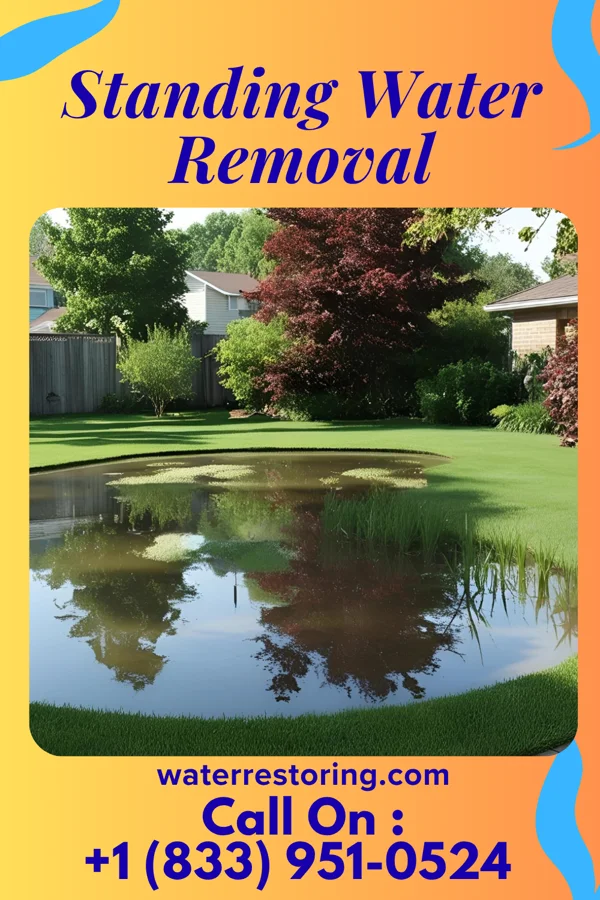
Standing Water & Insurance in Lincoln
In Lincoln, Idaho, the primary cause of water damage is often related to residential plumbing failures, such as burst pipes and leaking water heaters, especially during colder months when frozen pipes are more common. Additionally, heavy rainfall and snowmelt can lead to basement flooding, particularly in areas near the Snake River. is the trigger behind most standing water removal claims in Lincoln. A close second is Secondary causes include faulty appliances like washing machines and dishwashers, as well as roof leaks from aging or damaged shingles. In rural areas like Lincoln, agricultural runoff and irrigation systems can also contribute to water infiltration in homes and buildings.. Most homeowner insurance policies cover sudden, accidental water damage. What separates a clean claim from a stuck one is fast professional response with documentation an adjuster can actually use.
Lincoln's semi-arid climate with cold winters and occasional heavy precipitation increases the risk of water damage. The region's proximity to the Snake River and surrounding valleys also makes it susceptible to flash flooding during spring snowmelt.
Most standing water removal calls in Lincoln come from In Lincoln, Idaho, the primary cause of water damage is often related to residential plumbing failures, such as burst pipes and leaking water heaters, especially during colder months when frozen pipes are more common. Additionally, heavy rainfall and snowmelt can lead to basement flooding, particularly in areas near the Snake River.. Running a close second is Secondary causes include faulty appliances like washing machines and dishwashers, as well as roof leaks from aging or damaged shingles. In rural areas like Lincoln, agricultural runoff and irrigation systems can also contribute to water infiltration in homes and buildings.. Local mold risk: Mold can develop quickly in Lincoln's climate, especially in homes with poor insulation or inadequate ventilation. Prompt water damage restoration is critical to prevent mold growth, which can compromise indoor air quality and structural integrity.